Neurology
The nervous system is a complex, sophisticated system that regulates and coordinates bodily activities. If you are suffering from lower back or leg pain, you may need neurological treatment, or neurological testing. The first step is a neurological examination and expert opinion.
Quick appointments, an individual approach, and conversation in a relaxed atmosphere are a regular start to the examination, and our rule is to always choose the least unpleasant treatment method with successful results.
For your benefit, we have also designed additional education about the disease, where the patient learns what to pay special attention to and how to help themselves in emergency situations.
Neurophysiological diagnostics provide very precise information about the function of our patients’ nervous systems, and based on the results of these tests, we detect areas of damage to the nervous system, their nature and the degree of severity of the damage.
We use the best devices from the USA with the latest computer equipment.
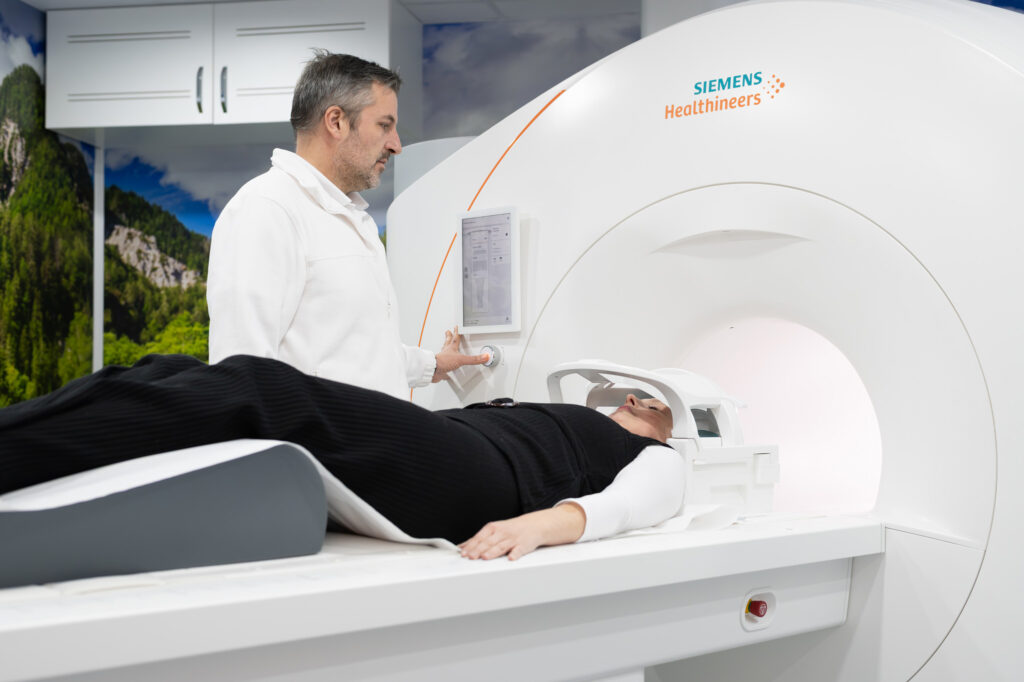
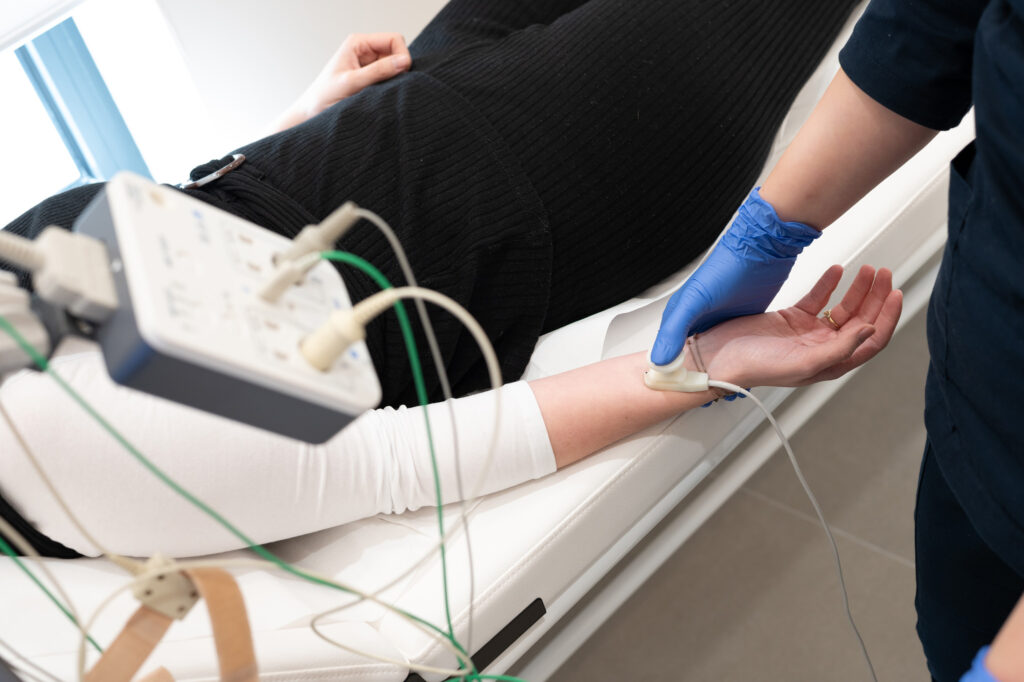
You can have neurological examinations at the Rotim Polyclinic.
- Electromyography EMG: EMG of hand muscles; EMG of leg muscles; targeted EMG of neck muscles; parascapular, paravertebral muscles; targeted EMNG of facial muscles; EMG tremor monitoring
- Electroneurography ENG of a single nerve (motor fibers)
- Electroneurography ENG of one nerve (sensory fibers)
- F wave
- H reflex
- Bulbocavernosus reflex
- If you have additional questions or would like to schedule a neurological examination, please leave your contact information and we will contact you as soon as possible.
When to see a neurologist?
A neurological examination is recommended if you have symptoms such as:
- frequent or intense headaches or migraines
- dizziness, unsteadiness, or loss of balance
- tingling, numbness, or weakness in the arms and legs
- pain that spreads along the nerve
- tremors or other involuntary movements
- problems with memory, concentration, or speech
- coordination or walking disorders
- epileptic seizures or loss of consciousness
- muscle weakness
- neck or back pain that spreads to the arms or legs
If symptoms persist for a long time or worsen, a timely neurological examination can prevent the development of more serious complications.


Frequently asked questions
-
How long does a neurological examination take?
-
Do I need a referral for an examination?
-
How to prepare for EMNG?
-
Is EMNG a painful test?